A Room That Grows as You Solve It.
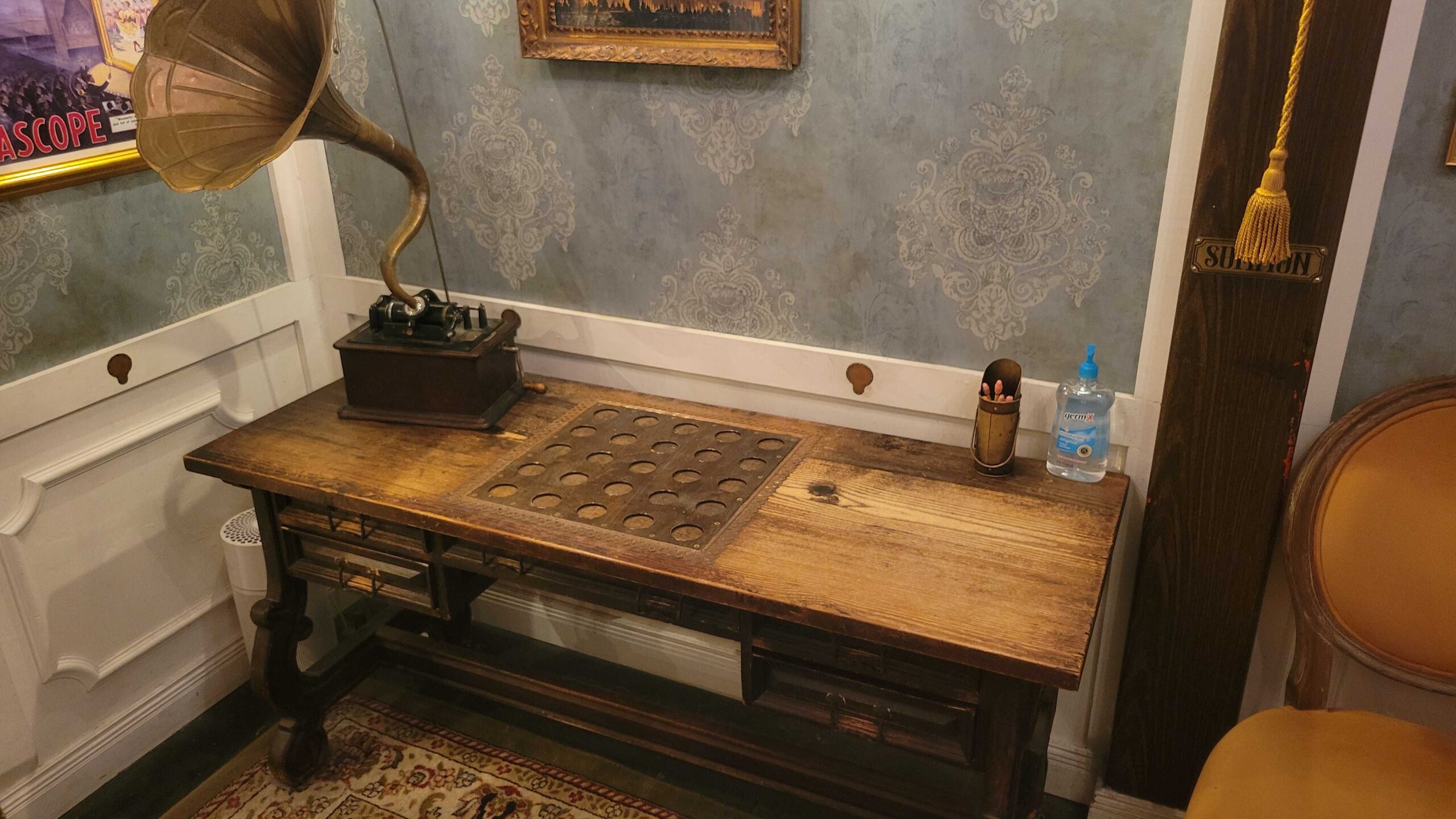
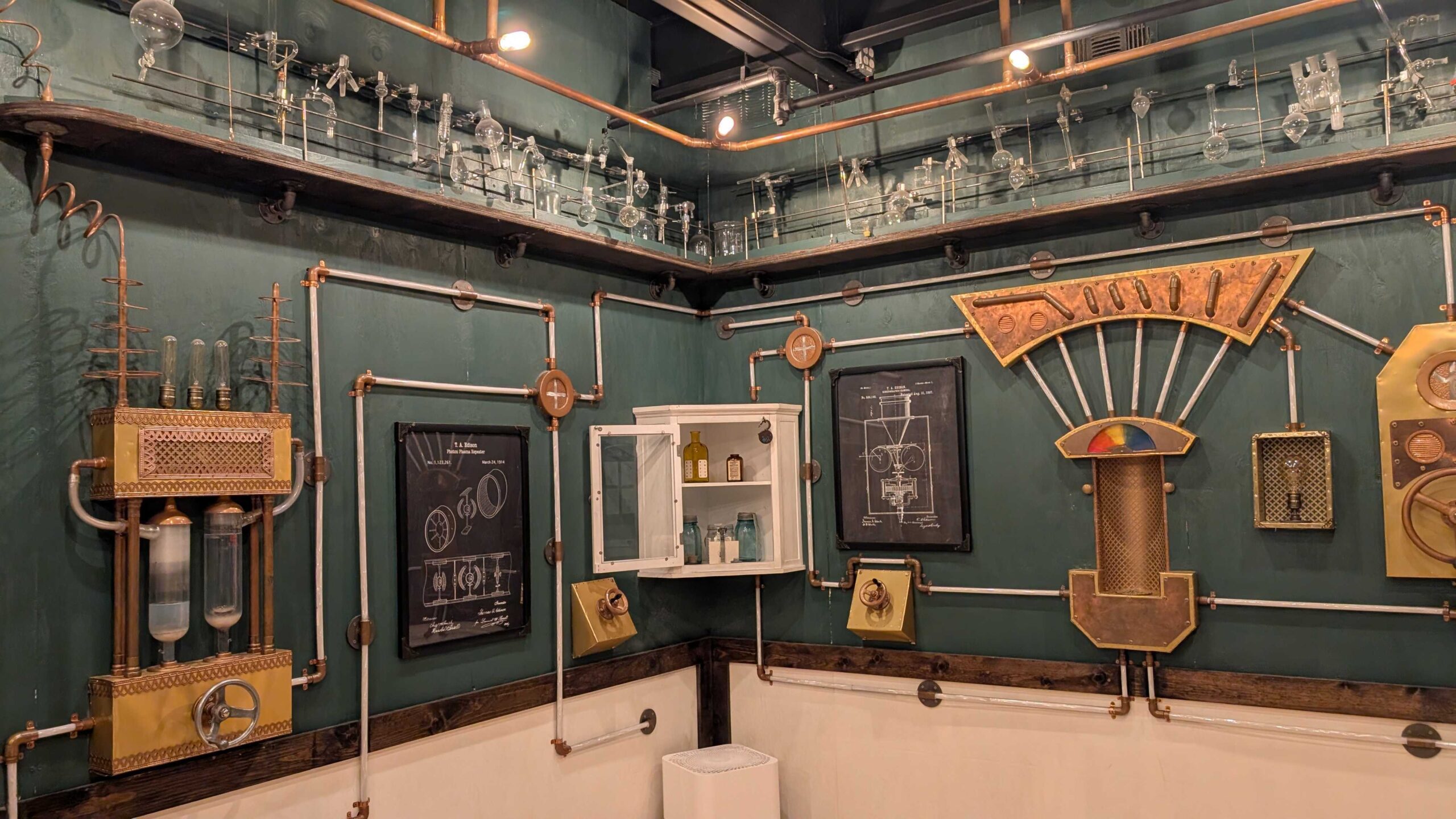
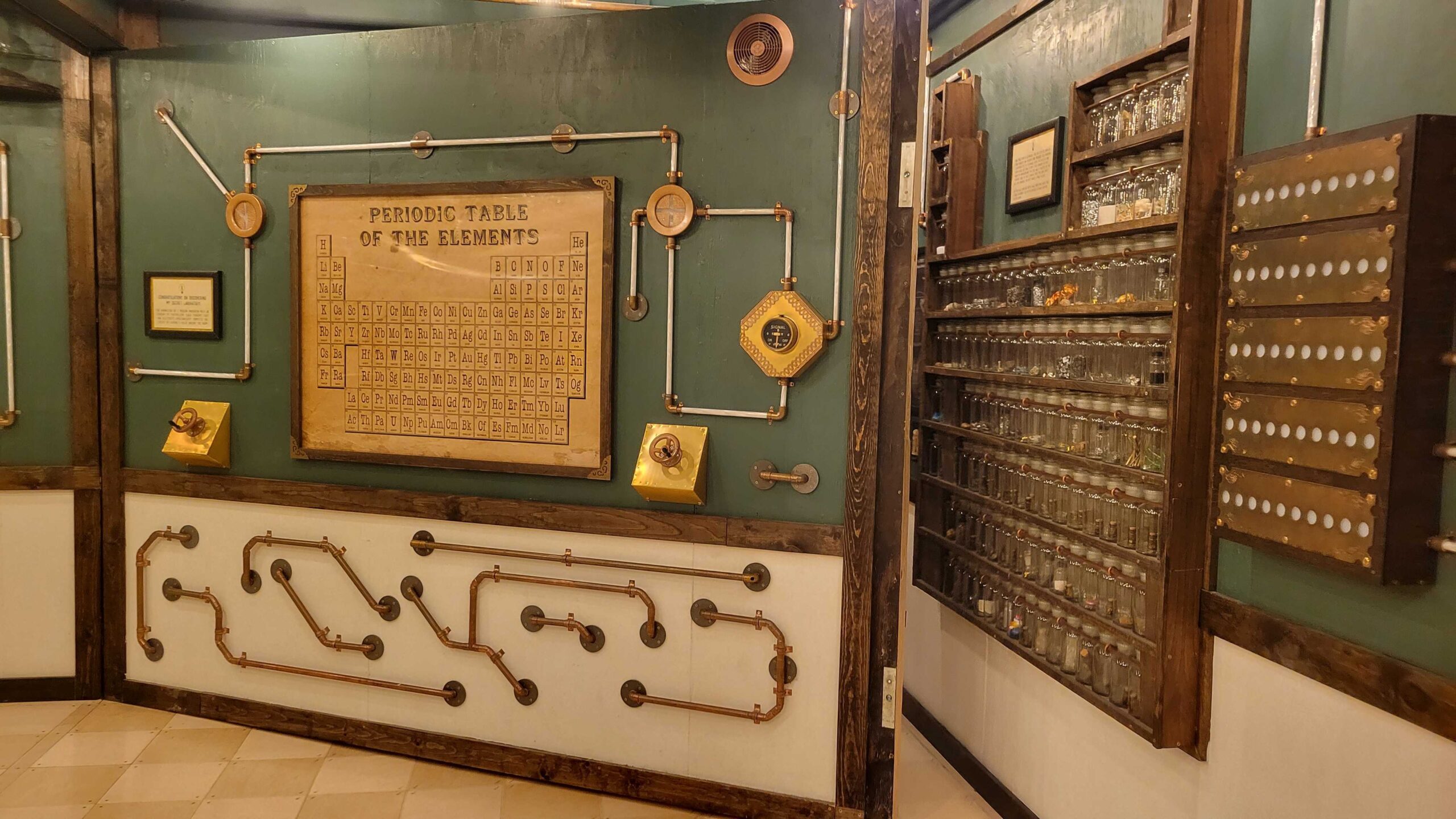
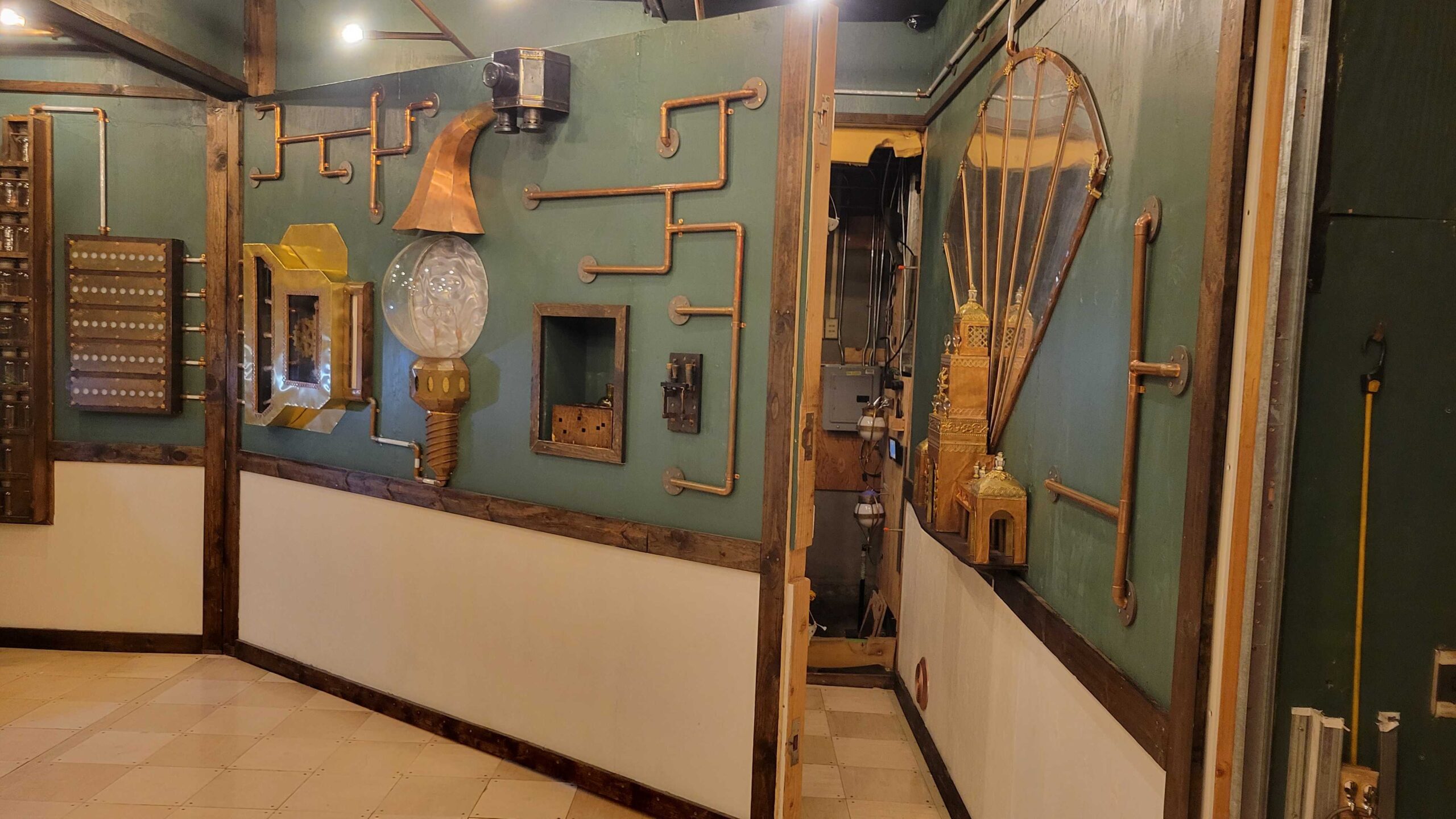
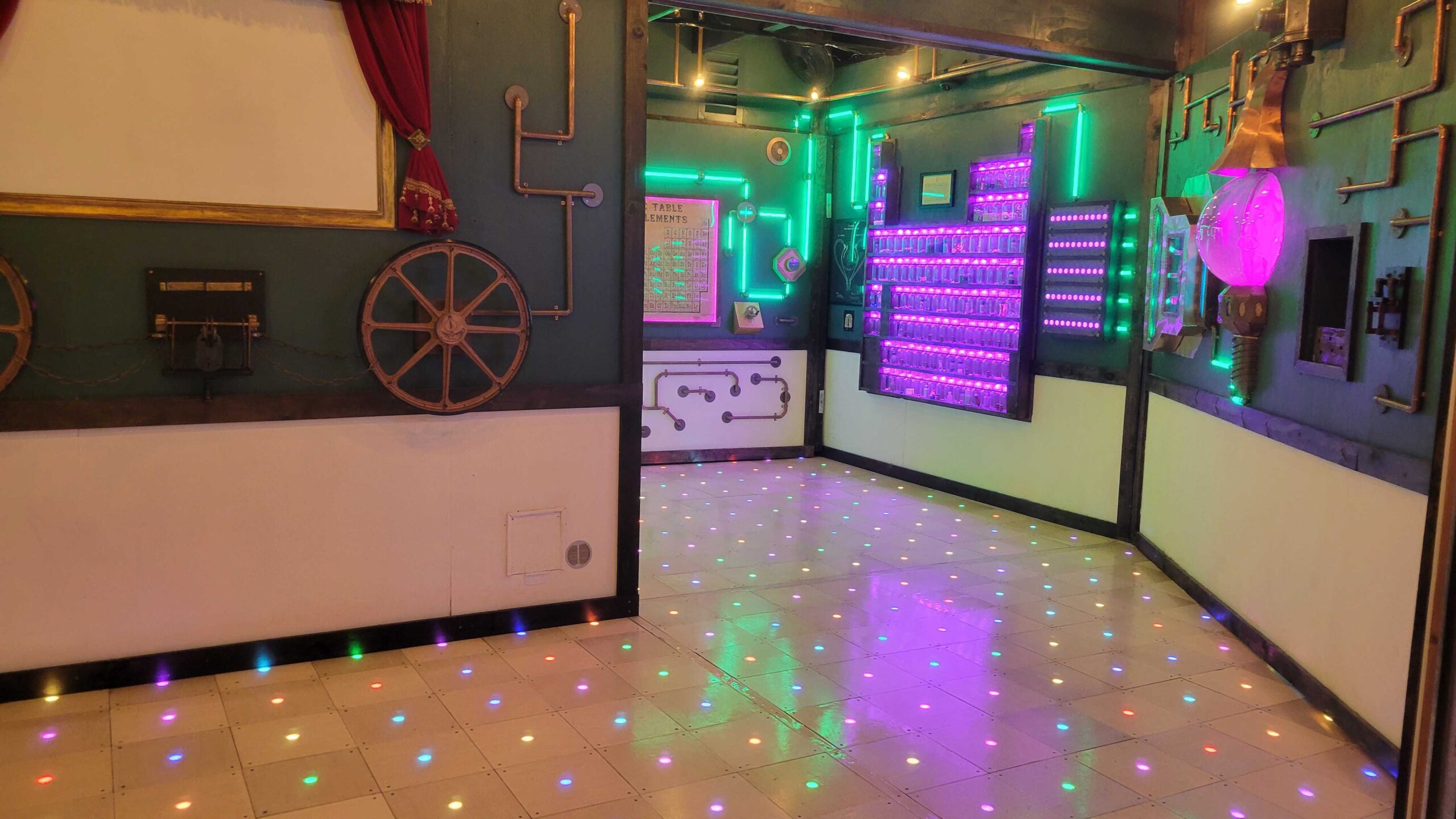
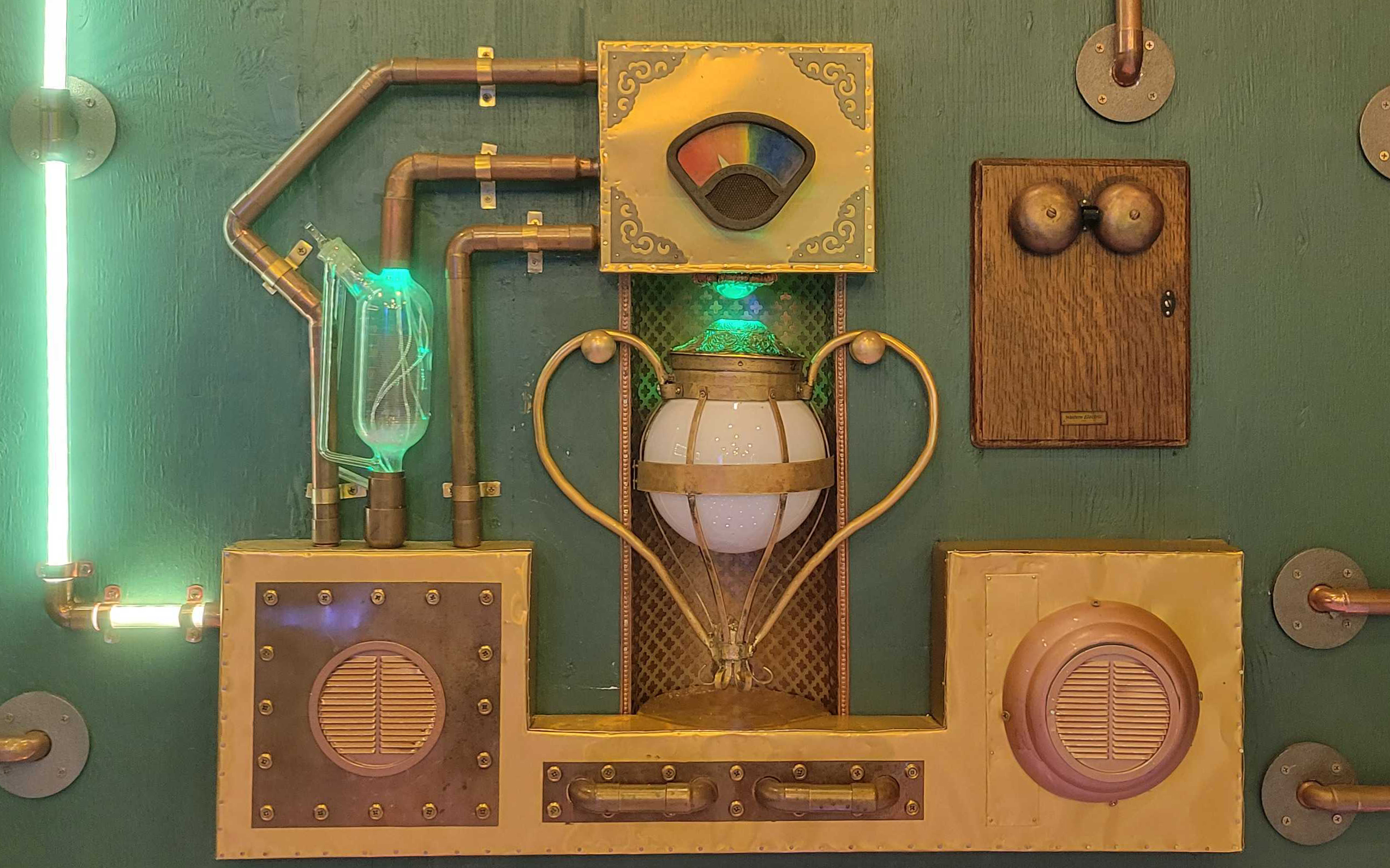
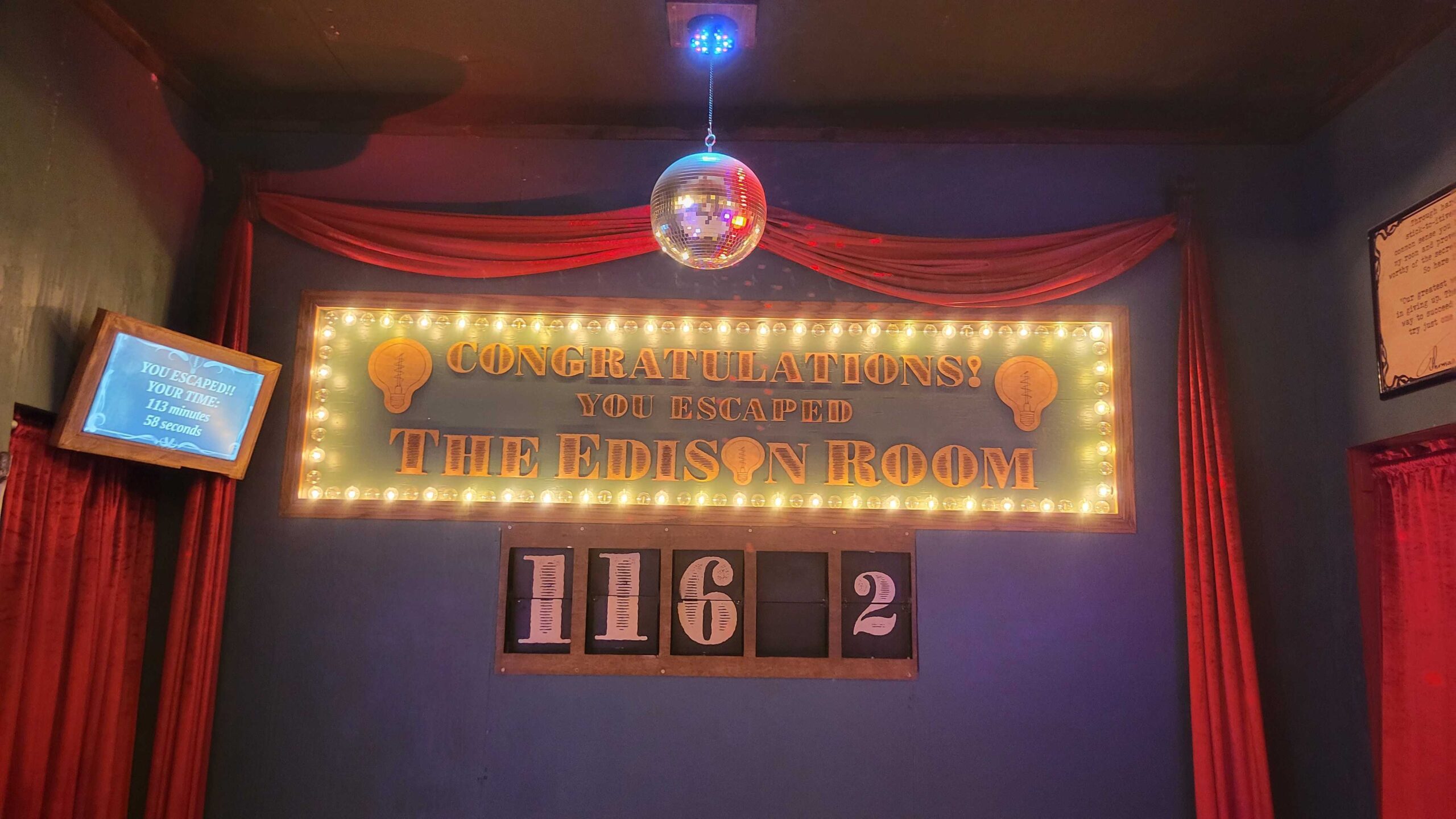
The Edison Room’s narrative frames players as potential heirs to Thomas Edison’s empire. Having deemed his own children unsuitable successors, Edison embedded a series of escalating challenges into his hidden 1915 World’s Fair study. An entry-level puzzle gives way to his electrified laboratory, which expands twice more through successive swinging-wall reveals as players progress.
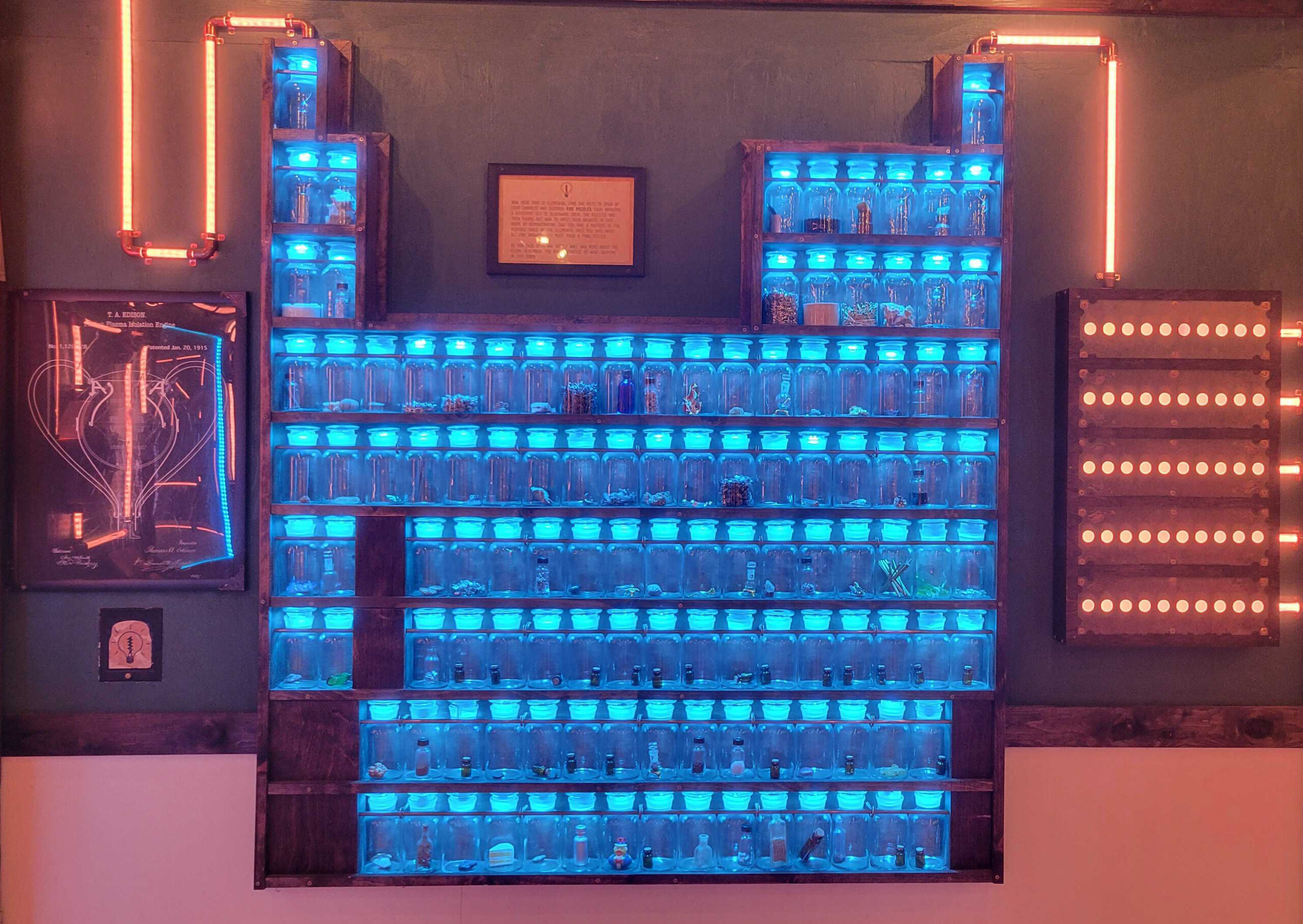
The experience is built around a philosophy of physical interaction. Players stand on pressure-sensitive floors, carry fragile light-trapping devices across LED mazes, and trigger chain reactions that illuminate the room around them. The gamespace responds continuously to what they do and where they stand.
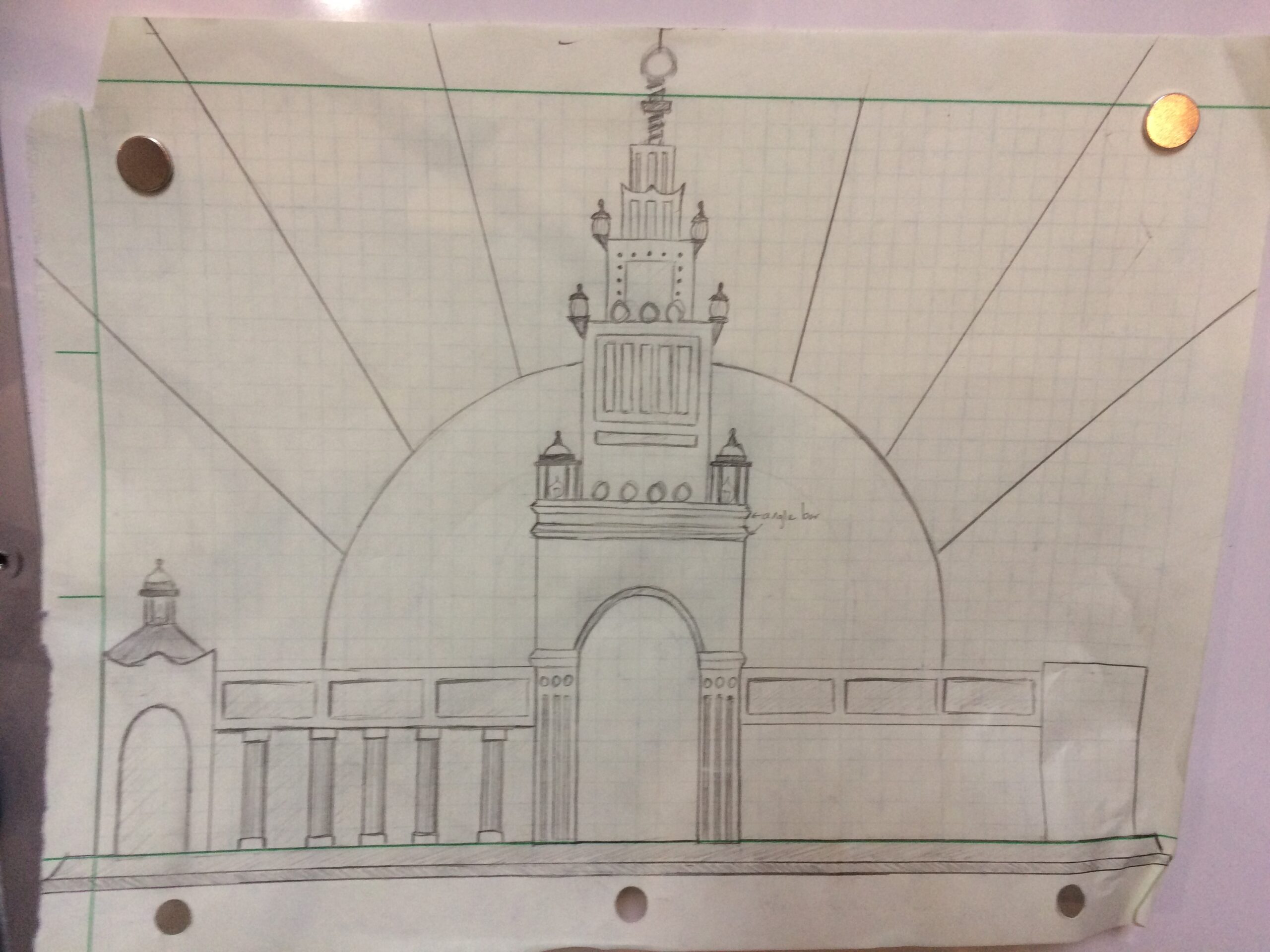
I was one of five on the design team for The Edison Room. My role was to translate brainstorming sessions, puzzle ideas, and game flow into real, tangible, buildable spaces, and then to lead the production team that built them. The engineering and environment design across the full scope of the room (the puzzle electronics, the LED systems, the wall reveal mechanisms, the set fabrication) flowed from that translation work.
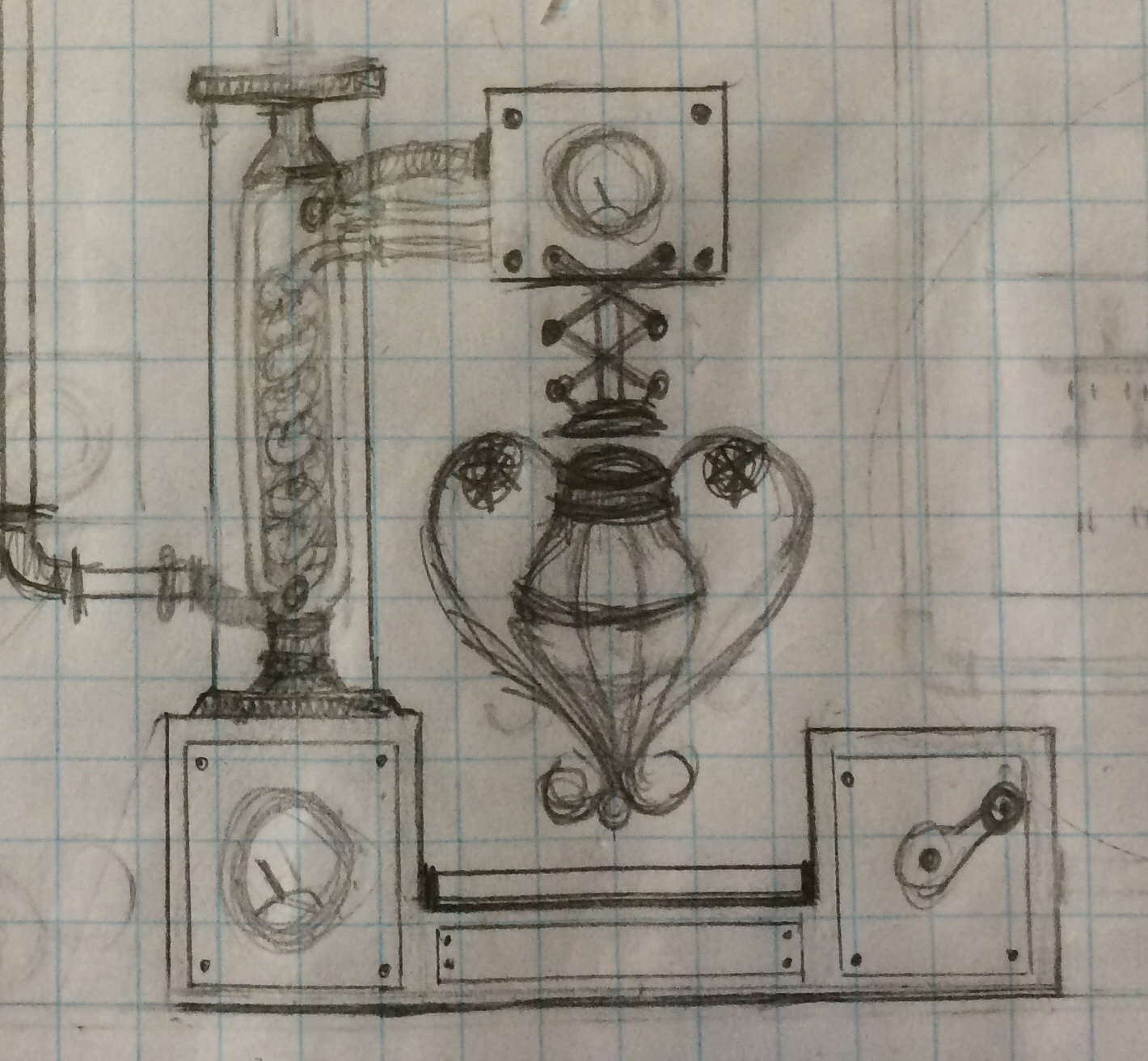
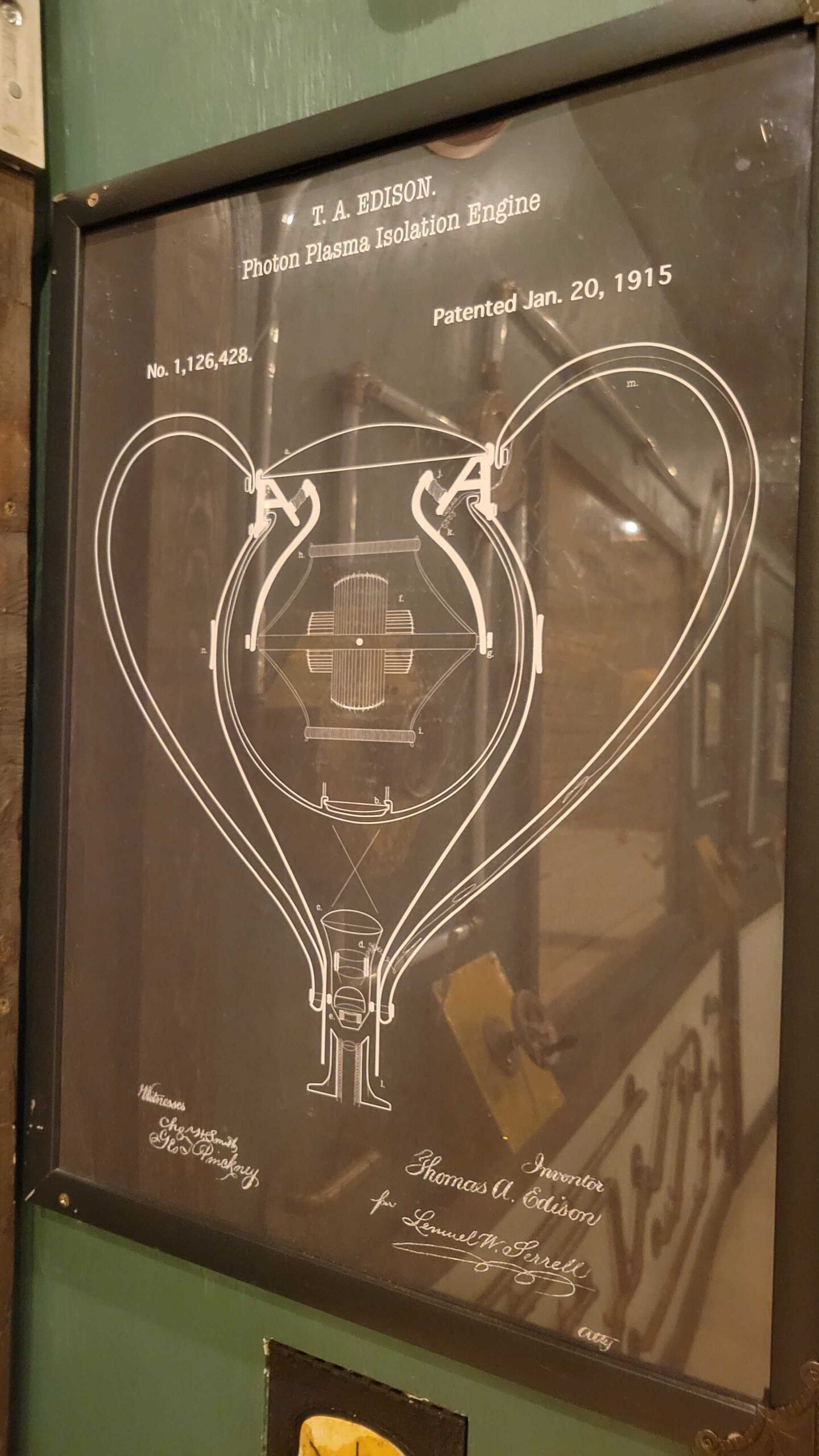
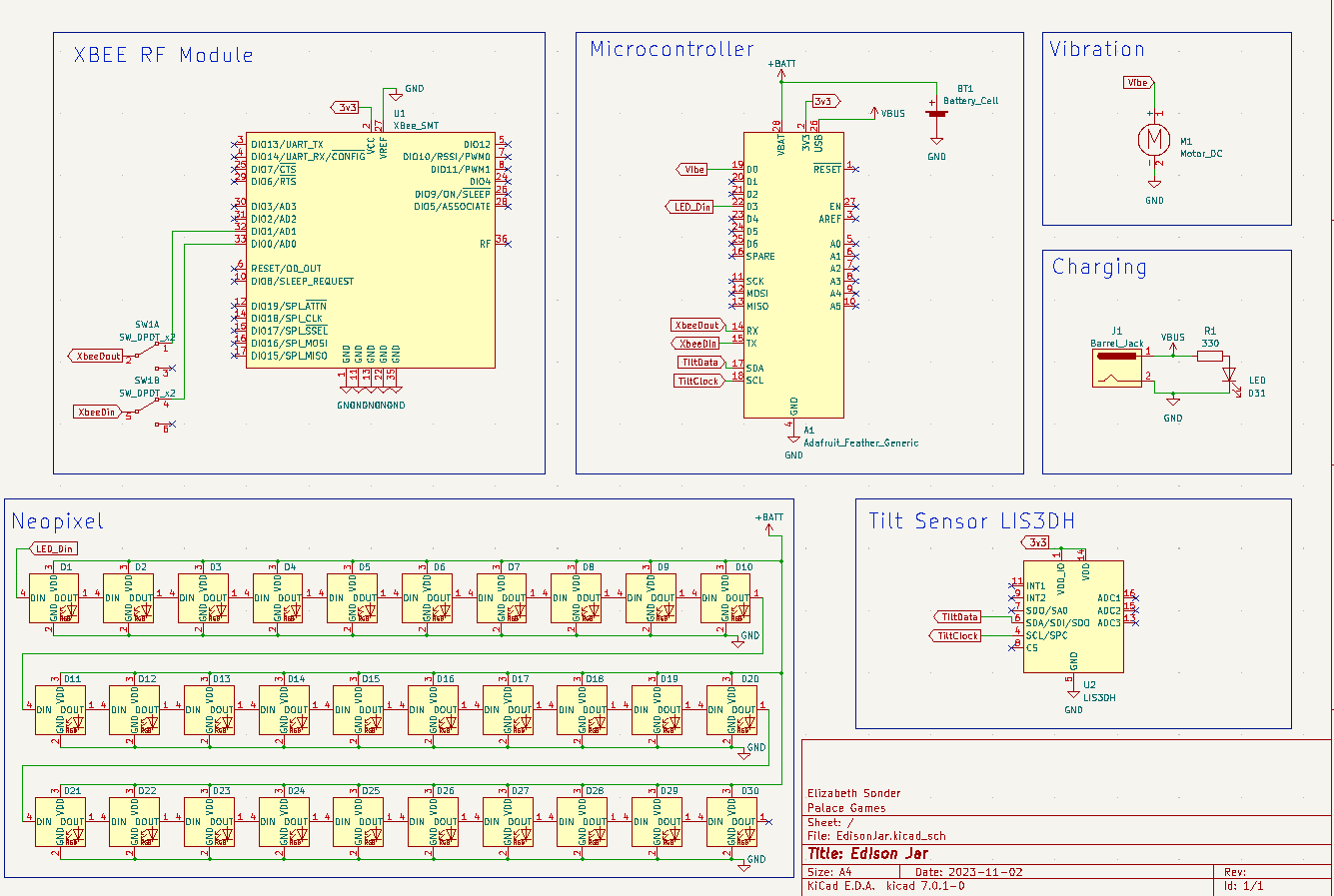
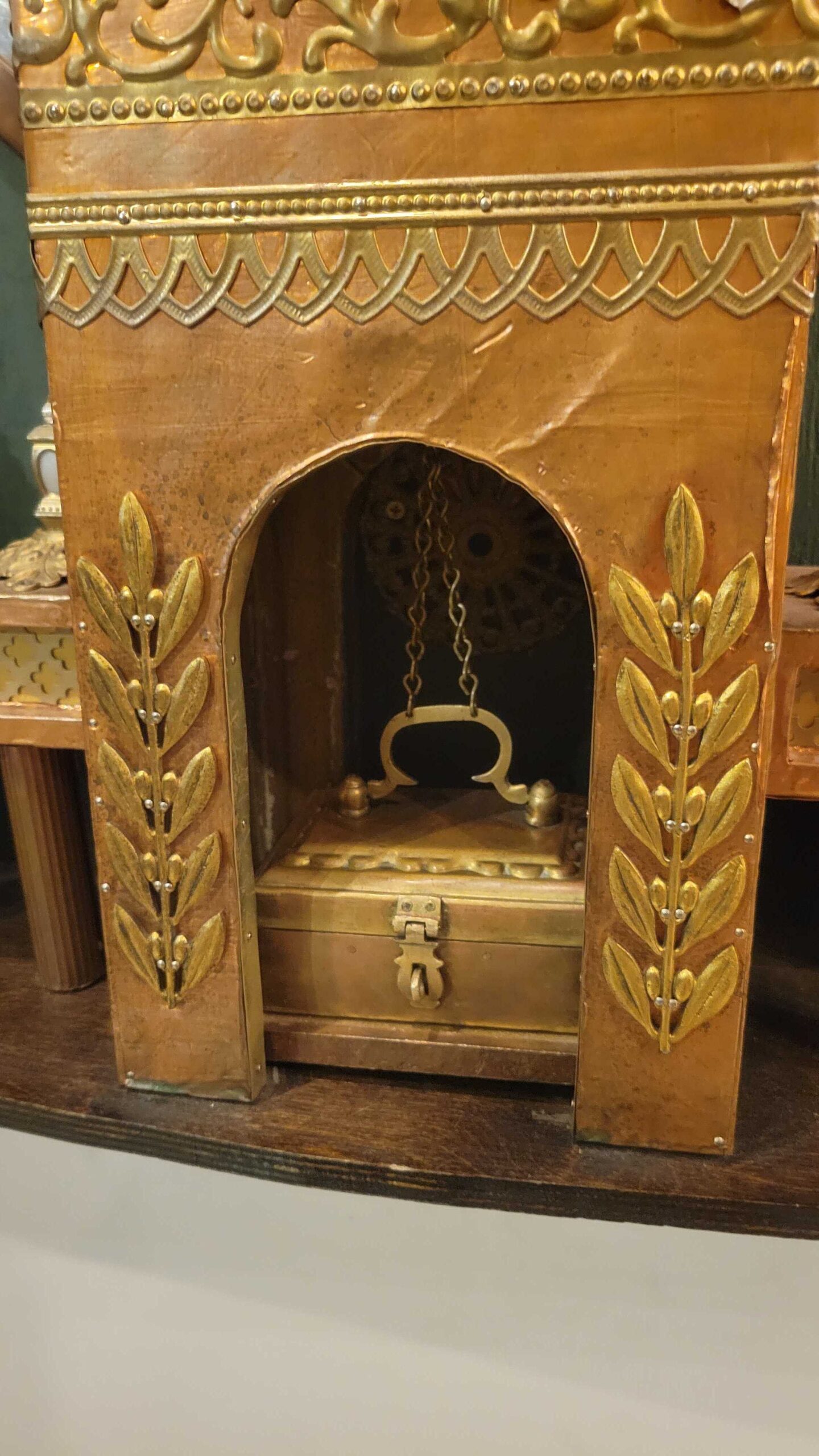
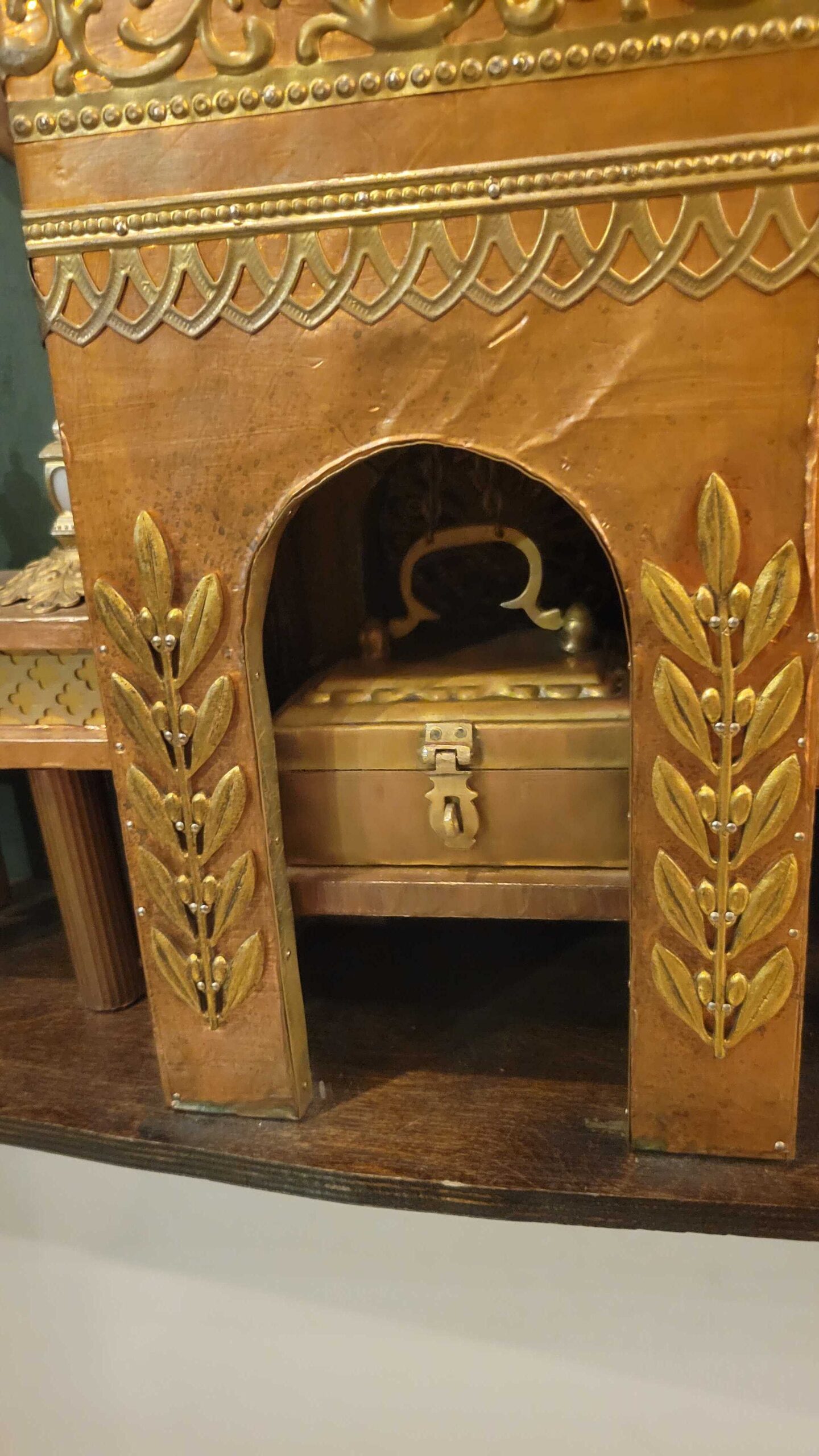
The Edison Jar was my project specifically. From concept sketch to finished prop to electronics to in-world fiction, that section of the room was mine alone, designed, engineered, and built by me.
“Palace Games succeeded in blurring the lines between real life and video game.”
— Lisa Spira, Room Escape Artist